


Sworn translation vs certified translation for Thai documents
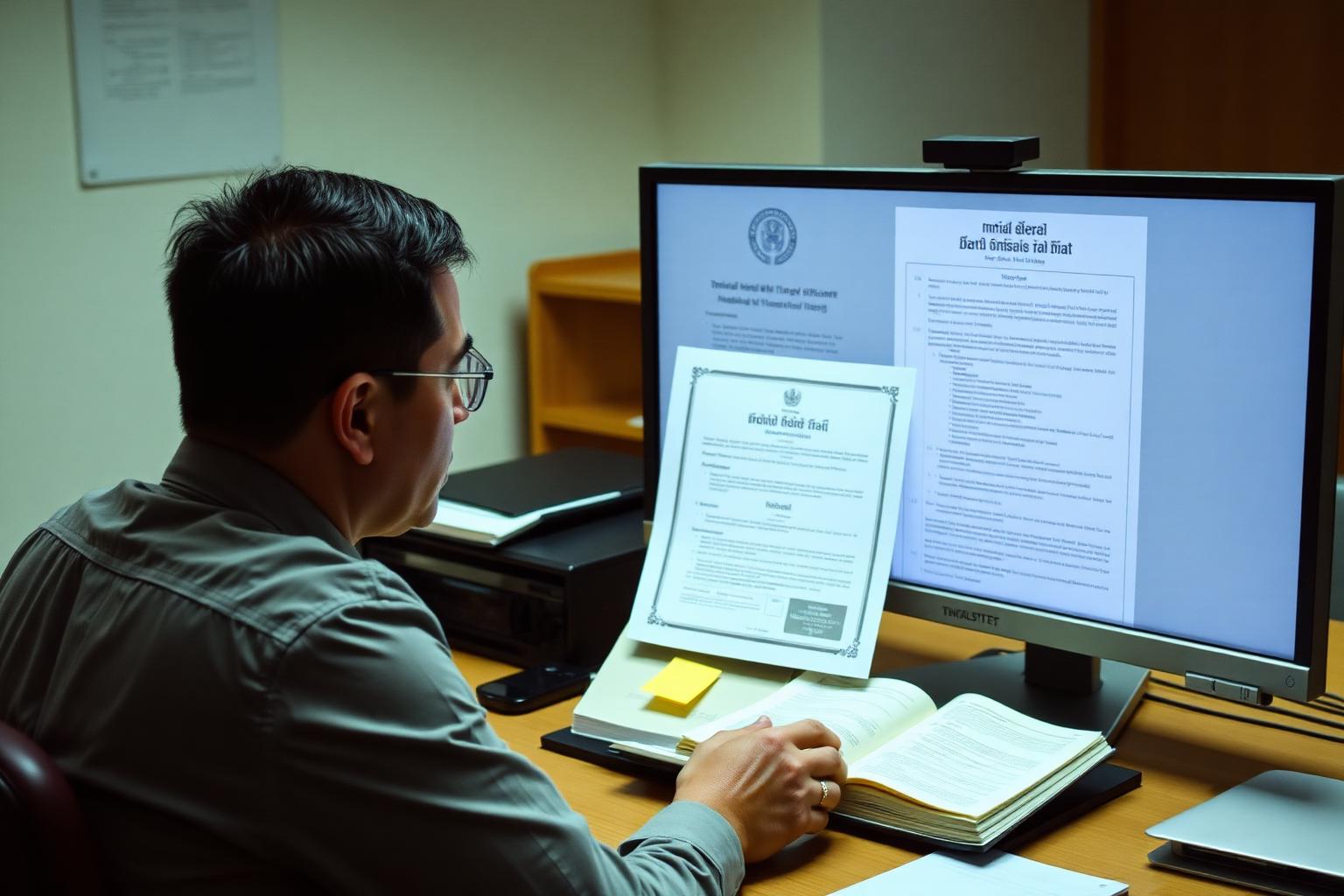
A sworn translation is signed and affirmed before an authorised person; a certified translation carries a certificate of accuracy from the translator or agency. Both are valid for different purposes — the receiving authority decides which one it accepts.
Bottom line: Foreign government bodies, courts and embassies usually require sworn or legalized translations; universities, employers and banks generally accept certified translations.
Side-by-side comparison
| Criterion | Sworn translation | Certified translation |
|---|---|---|
| Who attests | Translator affirms before an authorised officer | Translator or agency issues a certificate |
| Typical use | Courts, foreign authorities, embassies | Admissions, employment, banking |
| Chains onward | Ready for MFA and embassy steps | May need an extra certification step |
| Lead time | Slightly longer — signing appointment needed | Faster |
Choose Sworn translation when
- Filing with a court or foreign authority
- The file continues to MFA and embassy steps
- The destination says sworn or official translation
Choose Certified translation when
- University or employer submissions
- Internal corporate review
- Speed matters and the destination is flexible
Documents to prepare
- Original or high-quality scan
- Passport spelling of all names
- Glossary for company names and job titles
- Destination form or guideline
Step-by-step process
- Confirm which translation type is accepted
- Send files for scope review
- Translate with two-stage subject-matter review
- Certify or swear as required
- Continue to MFA and embassy if needed
Common pitfalls
- Machine output signed off as certified
- Company names not matching registration records
- Translation submitted without the source copy attached
- Buddhist-era dates converted to the wrong year
Frequently asked questions
- The destination did not specify — which should I pick?
- Choose the format that can be escalated: a certified translation prepared so it can later be sworn or legalized without retranslation.
- How is a NAATI translation different?
- NAATI is the Australian accreditation standard required by Australian authorities; sworn Thai translations serve the Thai MFA and embassy chain.
- Do I need to re-certify for every submission?
- Not if the receiving body accepts the same set and the source document is still within its validity window.
Prefer not to run the paperwork yourself?
Our team is an advisory practice, not just a filing agency. With 15+ years of cross-border document work we map the full route before you spend anything: we confirm what the receiving authority actually accepts, sequence translation, notarisation and legalisation in the right order, forecast a realistic timeline, and flag the details that normally cause rejections. Send us photos of your documents for a free initial assessment.
Other comparison guides
- Apostille vs Embassy Legalization for Thai documents
- Notarial Services Attorney vs MFA legalization — which do you need?
- LTR visa vs Thailand Privilege — which long-stay route fits?
- Permanent residence vs Thai citizenship — choosing your route
- Thai court litigation vs arbitration for commercial disputes
- Standard work permit vs BOI / Smart Visa channel in Thailand
- DTV vs LTR visa — which long-stay route fits you?
- NAATI translation vs MFA-track certified translation
- Thai limited company vs representative office
- Marrying in Thailand vs marrying abroad — which route fits?
- Thai will vs foreign will for assets located in Thailand
- Notary Public vs Apostille — which one does your document need?